It additionally provides the audit path needed to verify compliance and keep trust throughout altering cryptographic environments. Non-public PKI (the inside CAs most enterprises run for machine identification, mutual TLS, and gadget authentication) just isn’t certain by it, and neither are S/MIME or code-signing certificates. FIPS 205 specifies SLH-DSA, a hash-based signature scheme derived from SPHINCS+ that rests on a different safety assumption as a hedge. A fourth signature commonplace, FN-DSA, derived from FALCON, followed for size-constrained use circumstances corresponding to firmware signing. Alonix aligns your crypto agility program with the frameworks that matter to your regulators and auditors.

Why Is Crypto-agility Necessary For Quantum Readiness?

Aside from the elevated cost of setting up these morecomplex methods, it also escalates the testing and maintenance effort. The goal of this research query is to focus on the associated ideas andterminology surrounding cryptographic agility to find a way to facilitate a commonunderstanding within the cryptographic field. In the context of our second researchquestion we systematized the literature to form a novel, canonical definition ofcryptographic agility. The literature also mentions different ideas both as half ofor associated to cryptographic agility. We due to this fact additional differentiate between theterms cryptographic versatility and cryptographic interoperability andexplain their connection to the idea of cryptographic agility.
Confirming Post-quantum Tls Handshakes
- Certificate agility is the flexibility to find, handle, and substitute digital certificates rapidly; it is a crucial subset of crypto-agility, as a outcome of certificates are the most numerous and most seen cryptographic objects in most estates, however it isn’t the whole.
- Taken collectively, these actions lay the groundwork for a safe and quantum-ready future.
- We intent to supply a fair clearer consensus on the terminology by differentiating the related concepts and provide comprehensive definitions of the terms for future analysis.
- How to design and implement systems that may rapidly switch cryptographic algorithms as threats evolve and requirements change.
- Utilize cryptographic libraries designed to assist a range of algorithms and protocols, allowing developers to easily swap or add new cryptographic primitives with out intensive code refactoring.
- If the configuration is freed from errors, the grasp terminates the old worker processes and begins new employee processes with the updated configuration.
Algorithms are hardcoded into purposes, embedded in vendor software program, and scattered across infrastructure with no central inventory. When those algorithms are deprecated, organizations face emergency migrations beneath regulatory pressure. Our systematization and new, clearer taxonomy supplies a foundation in course of a common understanding of cryptographic agility. We hope that our work will advance future research https://www.internetling.com/category/software on the various dimensions of cryptographic agility and information researchers and implementers in future work on particular features and contexts of cryptographic agility. As we now have only used the reviewed literature for this, we can’t make any statements concerning the common validity and complete protection of our categories. The classes thus far absolutely cowl all cryptographic agility definitions we now have encountered in our work, as demonstrated in Desk IV.
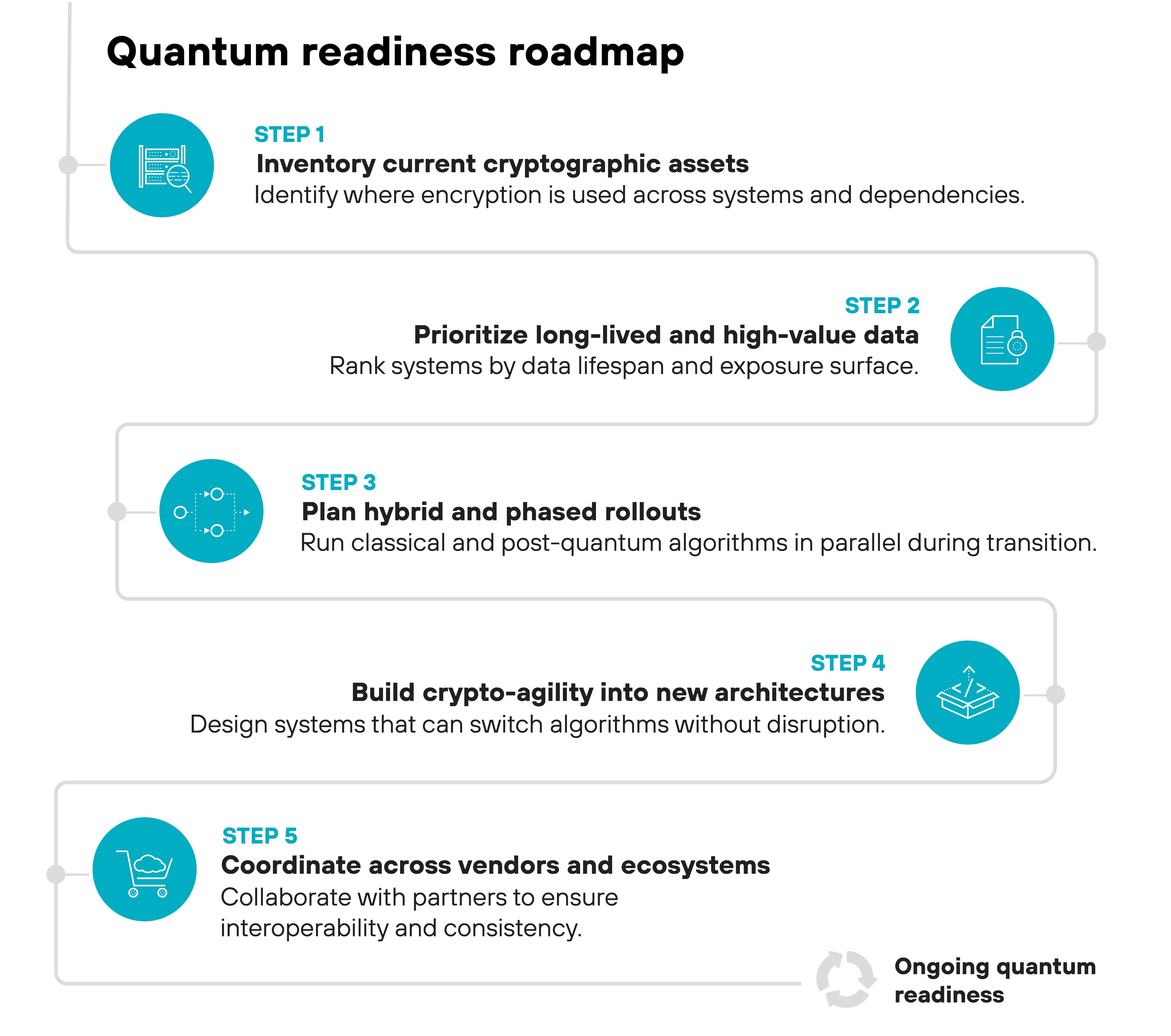
Why Is Cryptographic Agility Important For Post-quantum Migration?
Specifically, see Table II which exhibits the four stages of our quality assurance plan. It ensured that every one researchers are involved in every stage in addition to to construct a common understanding and stop potential individual bias. When you factor within the safety vulnerabilities, mandates, and internal delays, the precise time left is way shorter than it seems.
Cryptographic agility is the capability of an data system to rapidly change or replace cryptographic algorithms, keys, and protocols with out disrupting operations or safety. Discovery is the foundation, and it’s the step most organizations underestimate. Each downstream determination (what to prioritize, what to replace first, what to test, what to show to an auditor) depends on an inventory that displays reality. Keys and certificates are embedded in purposes, file systems, community interfaces, hardware devices, cloud providers, CI/CD pipelines, container pictures, and legacy methods that no present worker totally understands. This doesn’t mean that extra cryptographic interoperability is all the time higher, because the system has to guarantee that a secure connection is established with none downgrade assaults 32.
Together, these standards give organizations a roadmap for building crypto-agile infrastructure. Cryptographic parts should monitor what version, algorithm, and key kind they use. Versioning helps organizations know precisely what’s deployed and where updates are wanted. Most cryptography is deeply embedded across networks, gadgets, and software stacks. Which means migration to post-quantum cryptography will be a multi-decade effort that must begin now, not when quantum computer systems arrive.
This strategy preserves current security requirements while providing the potential for post-quantum safety. We suggest to increase the current definition of cryptographic versatility beyondhardware techniques by a system’s or component’s capacity to supply greater than onecryptographic scheme of a form generally. As this doesn’t necessarilyimply the traits of our definition of cryptographic agility likea versatile modification of encryption strategies, cryptographic versatilitycan be seen as a subset of cryptographic agility.